

Physician-led clinical quality for med spasCreated by Dr. Laura Purdy, MD, MBA Meet the founder →Partnership · Integrity · Clarity
Book a call

Physician-led clinical quality for med spas

Most med spa owners were never taught how the medical side of the business is supposed to work.

Most founders are told to get trained, hire a medical director, choose an EHR, buy insurance, order product, and open.

How we help+

Very few are told what the physician should actually do, when the patient needs a Good Faith Exam, how an RN is supposed to be authorized to treat, or why corporate practice of medicine can change who gets to make clinical decisions.

By the time they call us, the clinic may be busy and profitable, but the medical side is being held together by text messages, assumptions, and a signed agreement nobody has looked at since onboarding. We help you find out what is actually happening, decide what needs to change, and get the work done with the right people in the room. We work beside you, we tell you what we see, and we stay until the structure holds.

Already treating patients? Start with Fix. Opening or rebuilding? Choose Build. Looking for ongoing physician executive and clinical administration? Book a Maintain call.

The Aesthetic perspectiveA film by Dan Elia
Dr. Laura Purdy in the Dan Elia films
Dr. Laura Purdy, MD, MBADan Elia films · 00:24

01Who evaluated the patient?

02Where did the order come from?

03What did the physician supervise?

04Can the chart show the follow-up?

Before we go any further

MedSpa Fix is a physician-led clinical quality audit. It is not a legal compliance audit. Aesthetic is not a law firm, does not give legal advice, and does not write contracts. Every legal question and every legal document stays with qualified counsel.

What We Stand For

Six values you can hold us to.

Our mission

To help med spa and wellness entrepreneurs build healthcare businesses that are ethical, credible, and prepared to grow.

The test behind every recommendation+

Aesthetic exists to help med spa and wellness entrepreneurs build healthcare businesses that are ethical, credible, and prepared to grow. That is the mission, and it is also the test we apply to every recommendation we make.

Does it protect the patient, the clinician, the owner, and the integrity of the work? Does it create a clear, credible, and defensible standard your team can actually use? Does it respect your entrepreneurship and support responsible, sustainable growth? If the answer is yes, it belongs in your plan. If the answer is no, we will tell you.
Our promise

We turn complexity into clear, defensible structure, and stay beside the founder as that structure becomes the way the business operates.

Clients can count on practical mentorship, honest guidance, usable systems, and standards that protect the patient, the clinician, the owner, and the future of the business.

01Partnership+We build alongside you with respect, candor, and shared responsibility, and we keep going through implementation.

Your lawyer, your medical director, and your team stay in the room. We connect the work between them.

02Integrity+We choose the ethical and defensible path and we say what we see.

We do not treat a risk as acceptable because it is common in this industry, and we do not make the service sound bigger than it is.

03Standards+We turn compliance expectations into consistent, usable operating systems that support accountability and credible care.

If your team cannot follow it on a full day, we keep working until they can.

04Entrepreneurship+You had the courage, vision, and resourcefulness to build this.

We respect that. We strengthen the structure beneath your ambition and leave the ownership, the authority, and the decisions with you.

05Growth+We help you grow in ways your structure, team, clinical model, and operational discipline can responsibly support.

We build the medical side for the clinic you are becoming as well as the one you have today.

06Clarity+We make healthcare, compliance, and operational decisions understandable, actionable, and easier to lead.

You leave every conversation knowing what is working, what is missing, and what to do first.

Integrity · Clarity

When I ask when the medical director last reviewed a chart, the answer tells me a lot.

Sometimes there is no Good Faith Exam process at all. Sometimes the clinic pays for one, but the injector never sees the result. Sometimes the physician is excellent and responsive, but nobody ever defined the work. And sometimes the physician really is just a name on paper.

Read the full perspective+

Then there are the quieter gaps: nurses who are very good at what they do, but no one can produce the service-specific orders, competency records, supervision plan, or escalation process that supports their work; protocols that came from a course or a shared drive and were never approved for the clinic; and an EHR that contains notes but cannot show who evaluated, ordered, treated, or followed up.

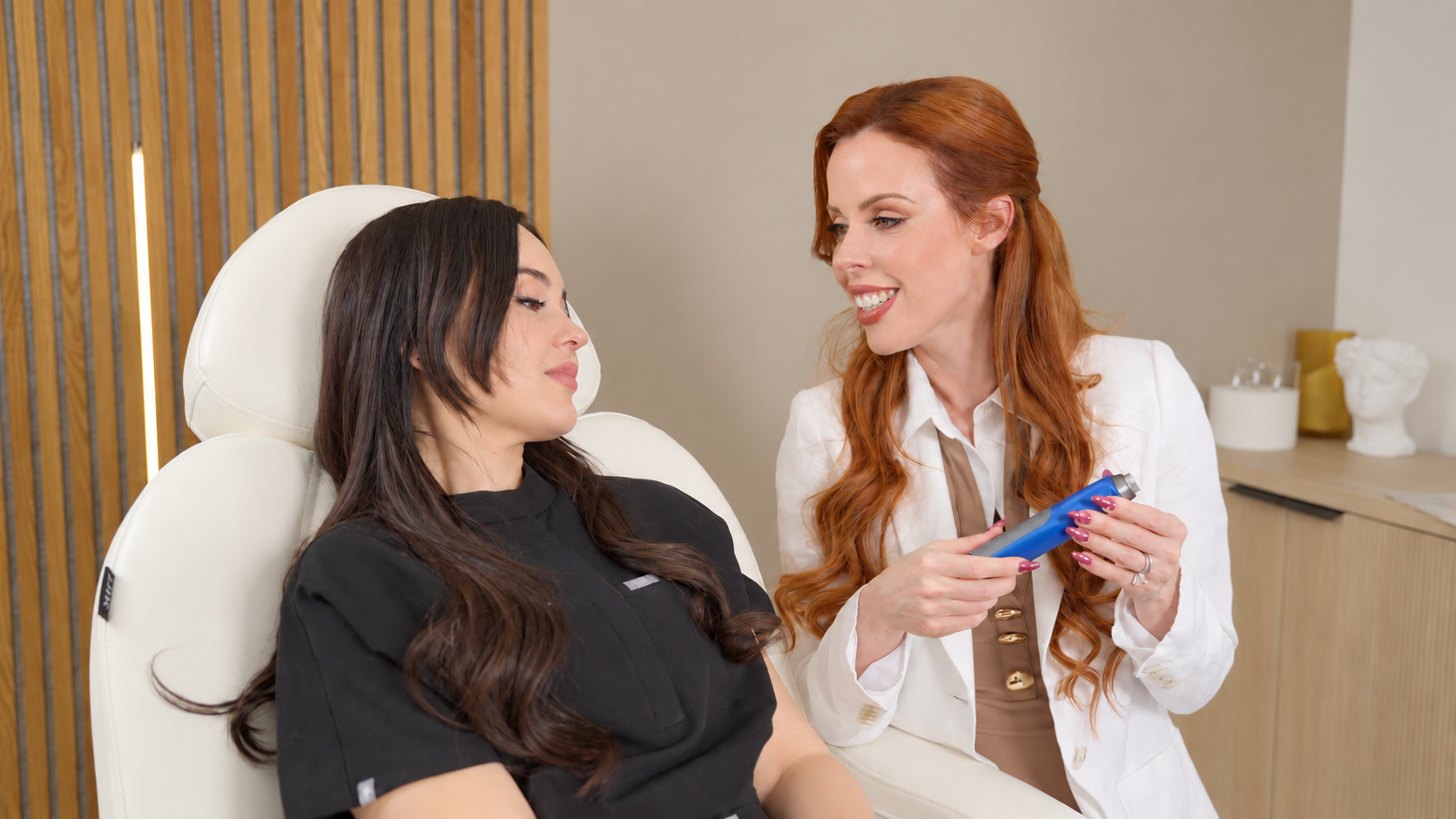
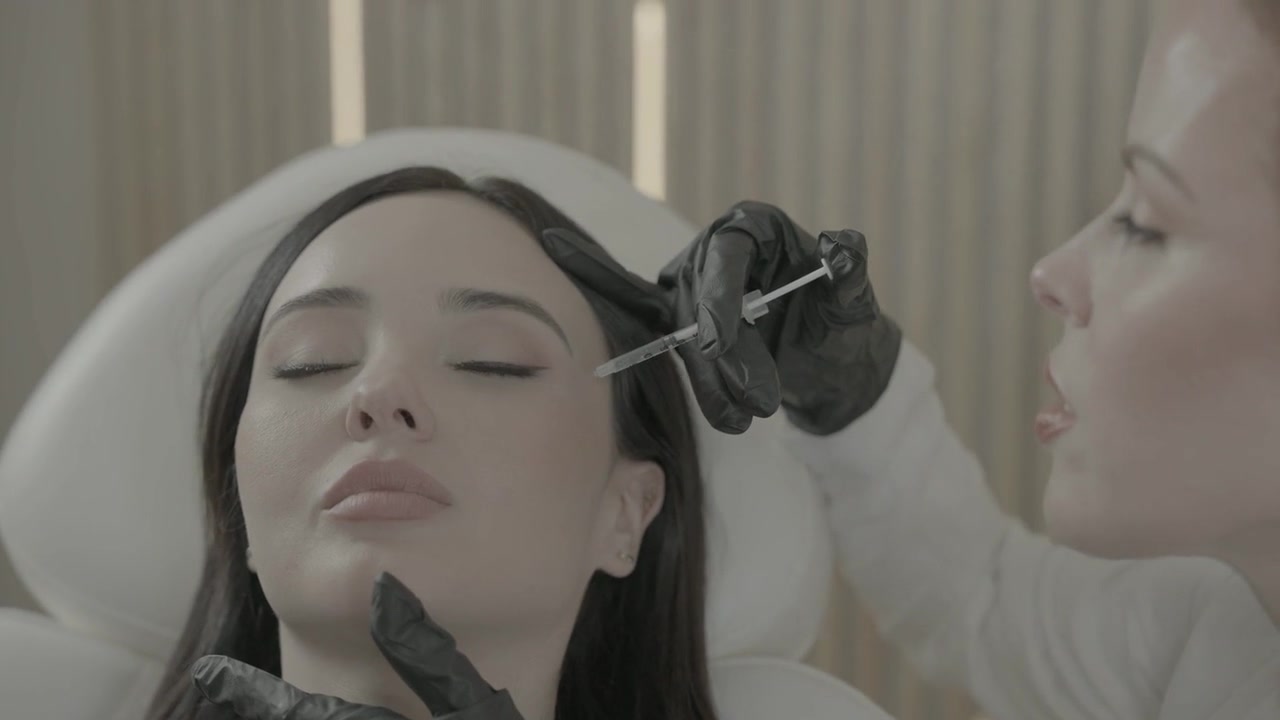
Dr. Laura Purdy holding a microneedling pen during a clinical demonstrationDr. Laura Purdy performing an injectable treatment

In the roomEvaluation, order, treatment, documentation, follow-up, review.

  1. 01

    Patients are treated without a Good Faith Exam or other appropriate medical evaluation.

  2. 02

    A GFE vendor completes the visit, but the decision never reaches the injector or never affects the treatment plan.

  3. 03

    The medical director has not reviewed charts, approved the protocols in use, met the team, or taken part in quality work.

  4. 04

    The clinic has no current medical director, or the relationship ended and the clinic kept treating patients.

  5. 05

    RNs have training certificates, but the clinic cannot show the orders, delegation, competency, supervision, and backup behind the services they perform.

  6. 06

    Chart review, incident review, emergency planning, and complication follow-up happen informally, if they happen at all.

  7. 07

    The owner or an administrator is making clinical calls because no one explained CPOM or where medical authority is supposed to sit.

  8. 08

    The record cannot show the full chain from evaluation to order, treatment, follow-up, and review.

I have yet to meet an owner who said she deliberately skipped all of this. Most of them hired a lawyer, found a physician, paid a GFE company, bought software, purchased protocols, and did what they were told. Usually, each person handled one job. Nobody was watching the way those jobs met inside the clinic.

Why this matters · Clarity · Growth

The problem usually stays quiet until something changes.

A patient has a complication. The medical director resigns. An insurer asks for records. A board complaint arrives. The owner adds a second location or prepares to sell. Suddenly the clinic has to explain who evaluated the patient, where the order came from, what the nurse was allowed to do, what the physician actually supervised, and what happened after the patient called back.

This is the point at which owners start trying to reconstruct a system from old folders, group texts, and memory. It is also the worst time to do it.

Patients can be treated without a reliable medical decision or a dependable follow-up plan.

What this can mean for the clinic+

Physicians and nurses can carry responsibility for a process they did not design and cannot fully see.

A medical director leaving can stop a service line with very little warning.

A chart request, complaint, insurance review, acquisition, or expansion can expose what the clinic cannot prove.

The founder becomes the person holding every loose end, which makes the business harder to grow, sell, or step away from.

The earlier you look, the more choices you have about how to fix it. That is what clarity buys you: the time and the freedom to improve the clinic on your own schedule.

Partnership · Entrepreneurship

There are three ways to work with us.

Most operating clinics begin with MedSpa Fix. Build is for a launch or a deliberate renovation. Maintain is ongoing and custom. You only need the part that fits the clinic now.

01For an operating clinic

MedSpa Fix

Clinical Quality Audit

Know what is working, what needs attention, and what should happen first.

What this includes +

For $500, we review the medical side of the clinic as it actually runs. This is a physician-led clinical quality audit, not a legal compliance audit.

  • Patient evaluation and Good Faith Exam workflow
  • Medical director involvement, chart review, protocol approval, and availability
  • Orders, delegation, supervision, competency, and escalation
  • Charting, protocols, consent, emergency readiness, products, devices, and follow-up
  • Red, Yellow, and Green findings, a live review with Dr. Laura, and a prioritized action list

The audit identifies and prioritizes possible gaps; it does not remediate them.

Investment$500 one-timeBuy MedSpa Fix - $500
02For a pre-launch founder

MedSpa Build

Guided Launch Consulting

Make the key operating decisions before the first patient is scheduled.

What this includes +

Build includes four hours with Dr. Laura and a dated Glide Path. We help you put the clinical work in a sensible order, assign it to the right people, and keep it moving.

  • GFE, medical director, delegation, chart review, emergency, and EHR workflows
  • A launch or renovation plan with dates, owners, dependencies, and readiness gates
  • Policies, protocols, procedures, and training materials as starting points for physician and legal review
  • Coordination with your attorney, medical director, vendors, and staff without stepping into their professional lanes

MedSpa Build is business and operational consulting—not legal, medical, tax, or financial advice.

03For a live, acquired, or scaling clinic

MedSpa Maintain

Managed Operating Support

Keep policies, physician relationships, and team support current as the clinic changes.

What this includes +

Maintain provides ongoing physician executive leadership and clinical administration. The scope depends on the clinic, the state, the services, and the final attorney-approved structure.

  • Medical director and GFE support when available and appropriate
  • Chart review, quality meetings, incident follow-up, and policy maintenance
  • Clinical review before new providers, services, products, devices, locations, or acquisitions go live
  • A standing team that helps keep the medical side organized as the business changes

The relationship begins with MedSpa Fix so the ongoing scope is based on the clinic's current operation.

InvestmentCustom scope and pricingBook a MedSpa Maintain discovery call

Why Aesthetic · Partnership · Standards

Most companies in this space do one job. The owner is left to connect the rest.

An attorney can write a good contract and still have no idea that the GFE result never reaches the injector. A medical director can be excellent and still be working inside a weak administrative system. An EHR can store a note and still fail to show who authorized treatment. A protocol company can send excellent material that no one has fitted to the services, products, devices, and people in the room.

Read the full perspective+

We follow the work from one person to the next. Did the evaluation reach the injector? Does the protocol match the service being performed? Has the physician approved it? Can the EHR show the order? Does the team know what to do when the patient calls after hours? If the founder is away, can the clinic still function without guessing?

We also stay for implementation. An audit without a plan leaves the owner with one more document to manage. Fix shows you what is happening. Build helps you correct it. Maintain keeps the medical side from drifting back into old habits as the clinic grows.

That is what makes us different, and it starts with how we work. Partnership keeps us in the room after the report is delivered. Integrity keeps us from calling every gap a crisis, or every signed agreement a solution. Standards give your team something they can actually follow. Clarity means you always know the first move. Respect for the entrepreneur means the clinic stays yours while it grows.

From Dr. Laura

By the time most owners reach me, they have already spent the money. They hired a physician, paid the lawyer, bought the software, and ordered the policies. The problem is not that they did nothing. The problem is that nobody checked whether it all worked together.
Dr. Laura Purdy, MD, MBADr. Laura Purdy, MD, MBA

Integrity · Growth

This work is led by a physician who understands operations.

Dr. Laura Purdy, MD, MBA has spent her career leading clinicians and building care operations across states, organizations, and technology systems. She started Aesthetic because she was tired of watching good founders pay for every piece and still be left alone with the clinical operation.

Read the full perspective+

She will tell you what she sees. If the answer belongs with your attorney, medical director, accountant, insurer, HR advisor, or another specialist, she says so. We do not blur those lines to make the service sound bigger than it is.

Our vision

A future where medical aesthetics and wellness businesses are built with integrity, operate to a credible standard, and grow without sacrificing care.
The future Dr. Laura is building+

She is building toward an industry where medical aesthetics and wellness businesses are built with integrity, operate to a credible standard, and grow without sacrificing care, where entrepreneurship, clinical responsibility, and operational excellence reinforce one another from the beginning. Every engagement is one clinic closer to that.

Follow Dr. Laura on Instagram ↗

In conversation

Dr. Laura, in her own words.

Meet Michelle, a nurse and med spa founder, in conversation with Dr. Laura.

Dr. Laura + Michelle · Dan Elia, Episode 202:03 · Play with sound

A closer look

The system has to work on an ordinary Tuesday.

Inside the clinic, the details tell the story.

Read more+

Dr. Purdy visits the clinic, talks with the team, and reviews how the work gets done.

Inside the clinic

A conversation with the founder.

Dr. Laura in conversation · Silent clinic film

In their own words

The relationship matters as much as the answer.

These are the messages people send after the call, the launch, and the hard decision. They speak to Dr. Purdy’s ability to make founders feel supported while the work stays exact.

Names are withheld. Select any note to view the original message.

01
“I truly appreciate having you as my Medical Director the last three years. Without you I could not have gotten my business off the ground. Keep doing what you are doing!”
Private client message
02
“You have really been such an inspiration to me. You gave me a chance and the ability to get started in this field. I literally could not have done it without you.”
Private client message
03
“You are so inspiring and amazing to me. You make me believe it’s possible, and it motivates me to keep trying every day. Thank you for just being you.”
Private client message
04
“I adore you, and thanks so much for believing in me and being with me since day one.”
Private client message
05
“Your team is amazing. You are amazing. I feel so privileged and honored. I am on cloud nine. Got a lot to think about.”
Private client message
06
“I’m blown away at how quickly you made that happen.”
Private client message

The Red Tape

What the clinic cannot afford to learn too late.

Field notes on clinical quality, opening a clinic, medical leadership, and growth.

01
Clinical quality · 8 minute read

What a Clinical Quality Audit Should Reveal

When I review a clinic, I am not looking for a perfect binder. I am looking for evidence that the people, policies, and daily decisions agree with one another.

Start with the clinic as it actually operates

I start by asking how a patient moves through the clinic on an ordinary Tuesday. Who evaluates? Who decides? What is documented? Where does a question go when the expected path does not fit? Then I compare those answers with the policies, schedules, charts, logs, agreements, and payment flow.

This matters because a missing document and an unused document are different problems. One may require drafting and review. The other may require training, workflow changes, supervision, or a decision about whether the written policy belongs in the clinic at all.

  • Who has clinical authority?
  • What is delegated, and under which conditions?
  • Where is the decision recorded?
  • What happens when the expected path breaks?
  • Who reviews drift and closes corrective action?

Review five connected operating systems

Clinical quality is affected by more than the clinical department. Service design, staffing, scheduling, inventory, compensation, ownership, and medical leadership all shape what happens in the treatment room.

A good review looks for contradictions across those systems. If a service is on the menu before eligibility, consent, escalation, inventory, pricing, and physician review are settled, the clinic does not have a form problem. It has a service-launch problem.

Prioritize without manufacturing fear

I use red, yellow, and green only when the categories mean something. Red is work that may require a pause, prompt escalation, or qualified review. Yellow is important work that can be planned. Green means the control is present and appears to be functioning based on the evidence reviewed.

Everything cannot be urgent. If a report treats every observation the same, the founder still does not know what to do Monday morning.

Keep the audit boundary clean

A Clinical Quality Audit identifies and prioritizes possible gaps. It does not correct every issue, replace qualified counsel, authorize a patient-specific clinical decision, or guarantee a regulatory result.

At the end of the review, leadership should know which questions belong with the medical director, operations, finance, counsel, a vendor, or a separate implementation engagement. That is enough for the first scope to do its job well.

Prepare the evidence before the walkthrough

The quality of the review depends on what the clinic is willing to share. I need enough information to understand the current system, including the parts that are informal, unfinished, or uncomfortable. The purpose is to make a sound plan from accurate facts.

  • Entity and ownership map
  • Medical-director and clinician agreements
  • Service menu and marketing claims
  • Standing orders, protocols, consents, and Good Faith Exam workflow
  • Training, competency, chart review, incident, and corrective-action records
  • Banking, payment, refund, incentive, and vendor arrangements
A useful audit leaves the founder with fewer assumptions, a prioritized list, and a clear understanding of who needs to make each next decision.
02
Pre-launch · 7 minute read

Build Before the First Patient

Most expensive launch mistakes begin before the doors open: a contract signed too early, a clinical relationship left vague, or a service announced before the workflow is ready.

Clinical experience is not ownership training

I have watched highly capable clinicians spend six figures on rooms, devices, and marketing before anyone has mapped who may make which clinical decision. Clinical experience is a strong foundation for ownership. It simply does not cover entity structure, physician relationships, funds flow, delegation design, vendor contracts, or the management of a cash-pay healthcare business.

The founder does not need a lecture about staying in her lane. She needs a clear view of the new lanes that come with ownership and qualified help putting them together.

Concept comes before procurement

Before signing a device, technology, lease, or physician agreement, define the clinic you are building. State, services, owner role, patient population, delivery model, timing, and capital all affect the structure. A generic launch checklist cannot make those decisions for you.

  • What will be offered—and what will be held?
  • Which state and location facts control the build?
  • What will the founder own and operate?
  • Which decisions require independent clinical authority?
  • What must be true before marketing begins?

Structure means decision rights, not a stack of entities

An entity diagram is useful only if it changes how the clinic operates. The team still needs to know who controls contracts, patient funds, staffing, vendors, records, clinical decisions, prescribing, delegation, quality review, and escalation.

The founder does not have to become a lawyer. She does need to recognize when the legal, clinical, financial, and operating plans are giving the team different instructions.

Readiness is observable

Readiness can be observed. The required relationships are active. The forms and workflows have owners. Permissions are set. The team has been trained. The clinic has rehearsed the moments most likely to expose a weak handoff.

  • Patient intake and clinical evaluation
  • Consent and documentation
  • Medication, product, and inventory controls
  • Urgent symptoms and adverse events
  • Scheduling, refunds, and patient communication
  • After-hours escalation and physician availability

The opening date is a gate, not a promise

I will not guarantee an opening date before the dependencies are known. The date should follow completed work; it should not be used to force incomplete work into production.

Moving a date is frustrating. Rebuilding the clinic after patients, payroll, marketing, and vendor obligations are already moving is worse and usually more expensive.

Make the difficult operating decisions while change is still relatively inexpensive. A careful pre-launch sequence prevents avoidable undo work later.
03
Medical leadership · 7 minute read

A Medical Director Is Not a Name on Paper

A signed agreement may name a medical director. The clinic still has to build the access, authority, availability, and review process that make medical leadership real.

A signature is not governance

I have seen medical-director agreements that were fully executed and still left the clinic without meaningful medical leadership. The signature did not tell the team which services had been reviewed, who could perform them, when the physician had to be consulted, or what happened after an incident.

The agreement matters. The way the role functions on a routine workday matters just as much.

Authority must match responsibility

Responsibility without authority is not a workable arrangement. A medical director needs timely access to service changes, clinician onboarding, protocols, records, complaints, quality trends, and exceptions. The physician also needs a defined way to require follow-up when something needs to change.

  • Clinical scope and service approval
  • Delegation and supervision expectations
  • Consultation and escalation pathways
  • Chart-review cadence and feedback
  • Incident and corrective-action authority
  • Sustainable availability and alternate coverage

The clinic needs the same operating truth

Vague agreements create competing assumptions. The founder may believe the physician approved every protocol. The physician may believe the clinic is escalating every exception. The clinical team may think quarterly chart signatures are the entire relationship.

Put those expectations on one role map. Name who decides, who performs, who reviews, what is documented, and which events must leave the ordinary workflow.

Quality review should produce action

Sampling charts is the beginning of review, not the end. Leadership should know what was reviewed, which standard was applied, what pattern emerged, who is giving feedback, when correction is due, and how the clinic will confirm that the issue was closed.

Design for continuity

The clinic still needs medical leadership when the physician is traveling, when conflict arises, when a second site opens, or when the relationship ends. Alternate coverage, records access, escalation, replacement expectations, and open corrective actions should be planned before they are needed.

Continuity protects the team and makes the role more realistic for the physician carrying it.

A medical-director relationship is credible when the team knows how to reach the physician, what the physician controls, how review happens, and what changes when a problem is found.
04
Multi-location · 8 minute read

One System. Governed State-Level Exceptions.

Multi-location operators do not need twenty disconnected rulebooks. They need one governed system that knows exactly where state, entity, service, and site facts change the lane.

Begin with the real footprint

Before standardizing anything, map the actual footprint. For each location, record the state, entity, ownership, services, patient-funds flow, medical relationships, Good Faith Exam workflow, protocols, systems, and known exceptions. The map usually explains why teams that appear inconsistent are working from different underlying conditions.

Separate universal controls from local requirements

Some expectations should be consistent everywhere: named owners, decision rights, document control, escalation, chart review, incident handling, and corrective-action closure.

The method can remain consistent even when a state or location requires a different answer. The difference is whether leadership can explain the variation, show who approved it, and say when it will be reviewed.

Give every exception an owner

An exception record should identify the location, reason, approving reviewer, affected workflow, supporting evidence, review date, and the condition that closes or renews it. Otherwise a temporary workaround quietly becomes the permanent operating model.

Sequence change by exposure and dependency

Standardization rarely happens in one clean launch. A physician relationship may depend on entity work. A workflow change may require technology, training, and revised records. A service hold may require patient communication and financial planning.

A phased plan lets the executive team see those dependencies, assign resources, and verify the work before moving to the next location.

  • Enterprise baseline
  • Location and state map
  • Critical holds and immediate escalation
  • Shared operating standard
  • Controlled local exceptions
  • Ongoing location-level review

Executive sponsorship is not optional

This work needs an executive sponsor with document access, decision authority, budget, and local owners. Leadership also has to accept that some answers will differ by state or site. A mandate to make every location look identical will create new risk rather than resolve it.

The goal is one management discipline that can explain why each location works the way it does, control the differences, and identify drift before it becomes the local norm.
05
Founder transition · 7 minute read

From Hospital RN to Founder

The move from hospital RN to founder is not a loss of clinical identity. It is an expansion of responsibility into ownership, governance, money, contracts, and medical leadership.

The desire for autonomy is legitimate

Many founders leave hospital practice because the career structure no longer fits their life. They want flexibility, ownership, creative agency, and a different way to care for people. Those are legitimate reasons to build.

I do not believe founders should be shamed for what hospital training did not teach them. The useful response is to identify the missing business knowledge and help them build it.

The new role changes the questions

Ownership changes the question set. The founder now has to connect clinical authority with entity structure, staffing, contracts, banking, patient payments, insurance, technology, vendors, records, marketing, and growth. Clinical judgment remains essential, but it now sits inside a much larger system.

What the founder is really buying

What most founders need is translation. They need to understand which questions belong with the physician, counsel, operations, finance, or a vendor. They need practical decision gates and a partner who will be candid without making fear the pitch.

  • A defensible operating structure
  • A translator across clinical care, operations, ownership, finance, and growth
  • A sequence that reduces expensive undo work
  • Candor without manufactured fear
  • Education that increases founder capability

Ask before acting

Before launch, the founder can still change the design before it is embedded in payroll, patient expectations, vendor agreements, marketing, and daily habits. That is a valuable window.

After launch, the path begins with an honest review of the current clinic and a willingness to change what the review cannot support.

Choose a partner by the boundaries they keep

Pay attention to the boundaries a prospective partner keeps. They should not guarantee a legal result, sell a paper medical director, declare the founder unlawful during a sales call, or promise an opening date before readiness is known. Those limits are signs of judgment, not hesitation.

Structure should make the founder more capable, not more dependent. The goal is a business she understands and can lead responsibly.

Clarity · Partnership

A few questions we hear all the time

We already have a medical director.+

Great. The audit is not a medical director search. We look at whether the relationship is working: chart review, protocol approval, availability, delegation, escalation, quality work, and continuity.

Our lawyer already formed the entities and wrote the agreements.+

Good. We do not redo the legal work. We look at whether the clinical operation follows the responsibilities and decision rights the documents were meant to create, and we take legal questions back to counsel.

Is MedSpa Fix a compliance audit?+

No. It is a physician-led clinical quality audit. It reviews patient evaluation, care delivery, medical oversight, delegation, documentation, emergency readiness, and the clinical administration around those functions.

What happens if you find a lot?+

We put it in order. Some items can be fixed internally. Some belong with the medical director. Some need counsel or another specialist. You leave with a real list and a clear first move.

Follow Dr. Laura

More of the thinking behind the work.

Start here

If patients are already on the schedule, start with Fix.

You will leave knowing what is working, what is missing, and what to do first. Opening or rebuilding? Choose Build. Need ongoing help running the medical side? Book a Maintain discovery call.

MedSpa Maintain is custom-scoped and custom-priced. A discovery call is required.

MedSpa Fix$500MedSpa Build$1,000MedSpa MaintainCustom scope

General inquiries
[email protected]

Aesthetic provides physician executive leadership, clinical quality review, and clinical administration. Website content is educational and is not legal, employment, tax, accounting, insurance, marketing, privacy, or other professional advice. Aesthetic is not a law firm, does not create an attorney-client relationship, does not draft contracts, and does not decide whether an arrangement is legal or enforceable. Clinical decisions remain with appropriately licensed clinicians. Services and availability vary by state, clinic, service line, and written agreement.